
Valentine's bingo

Valentine's bingo cards include word, candy, and picture formats for classrooms, family games, and parties. Choose a card that matches how the group reads and plays, then review every square for age, relationships, food,...
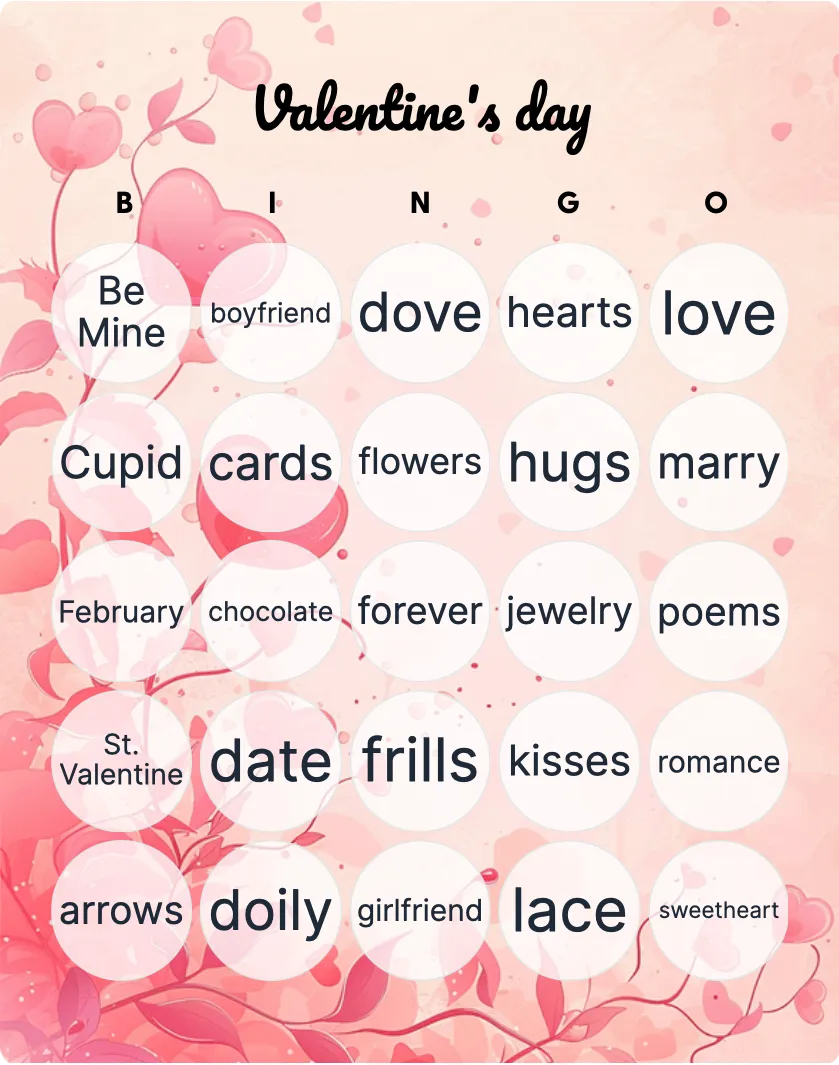
Valentine’s day bingo
5+Intermediate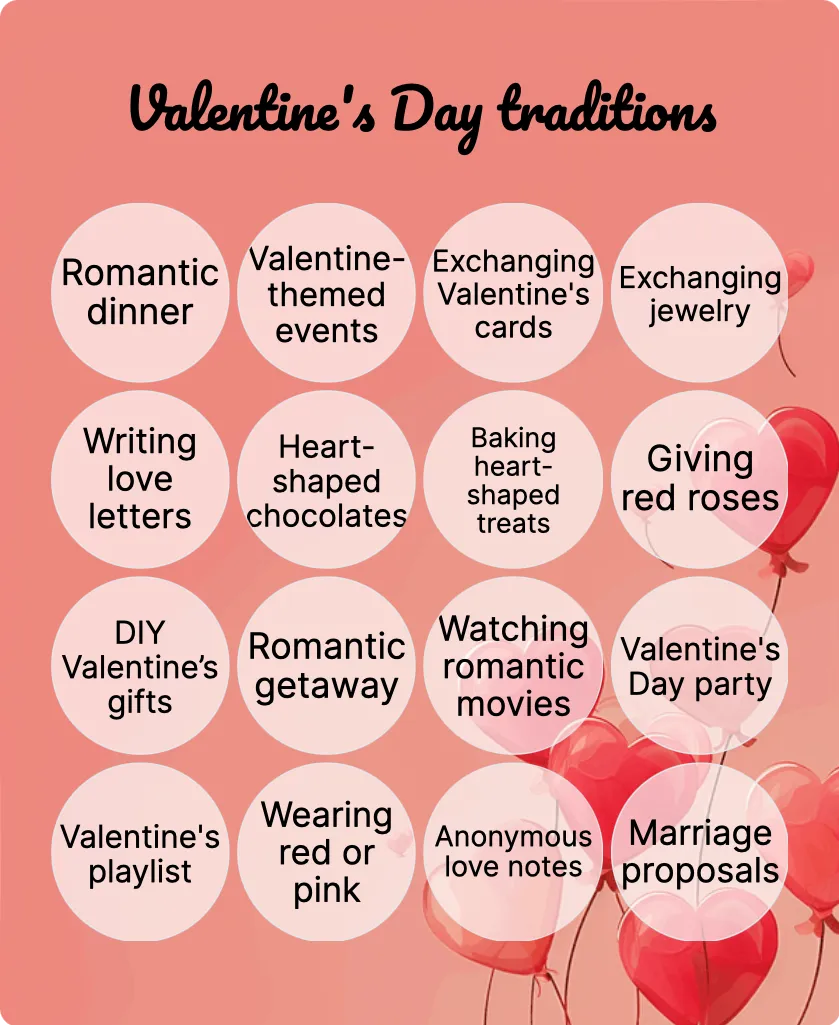
Valentine’s Day traditions bingo
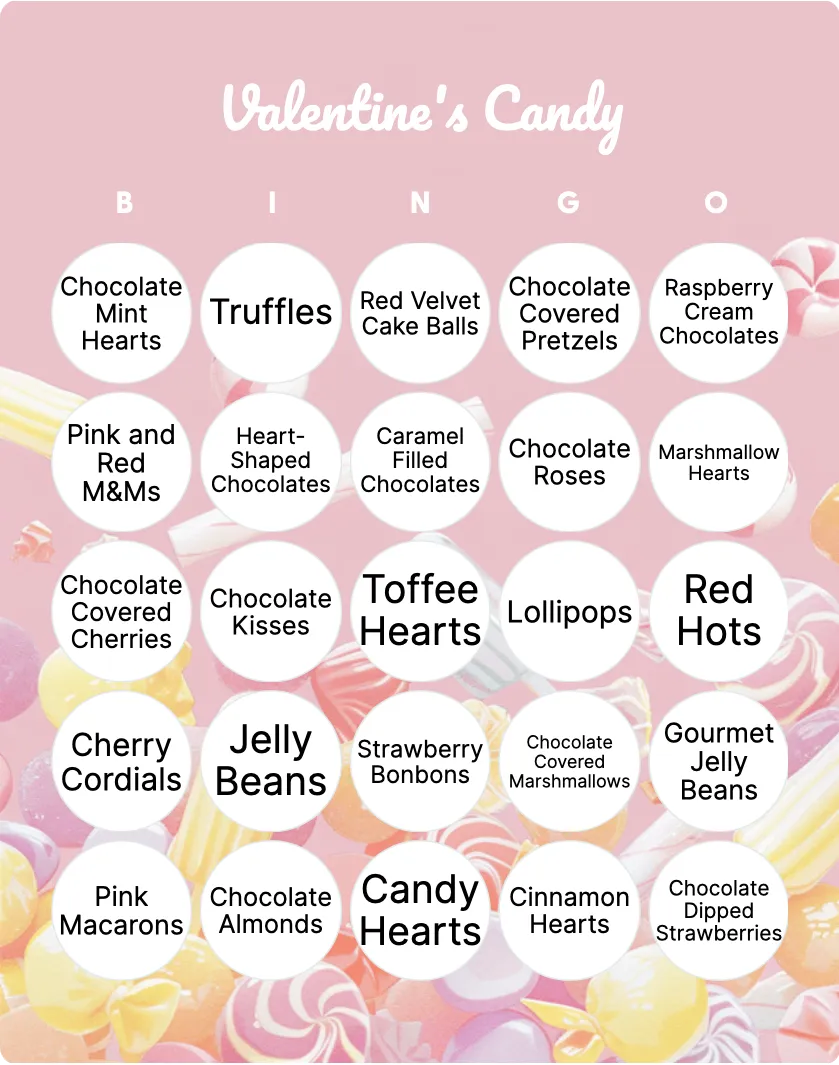
Valentine’s Candy bingo
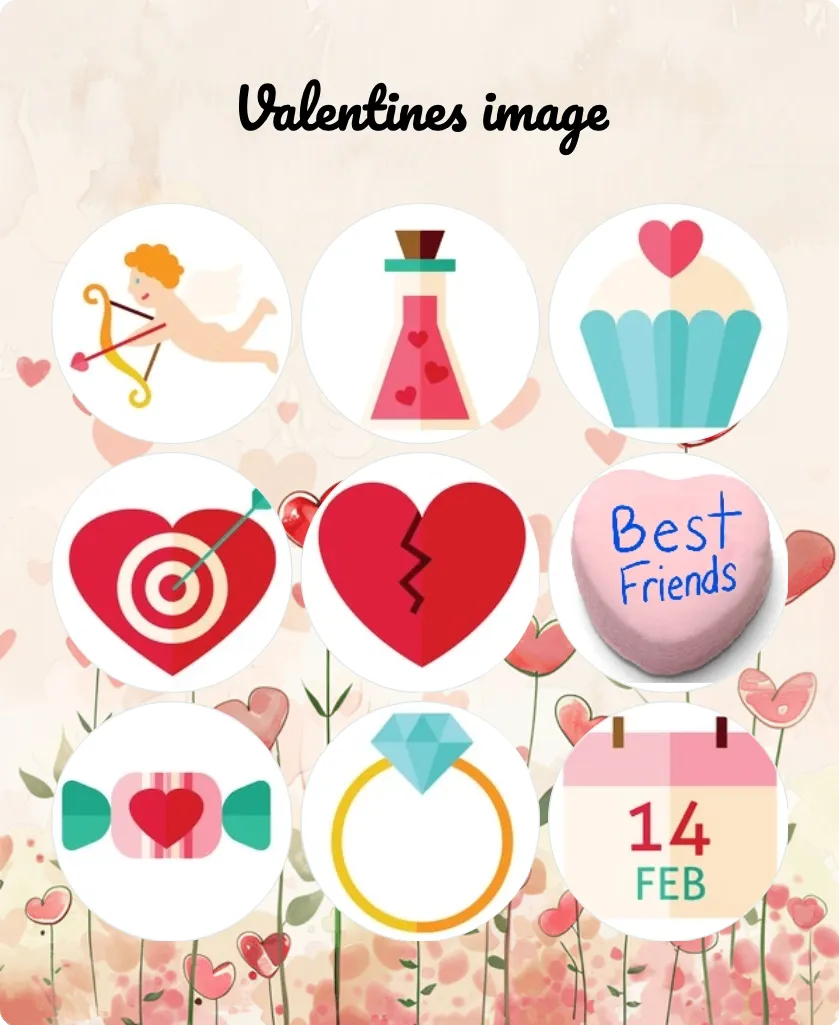
Valentines image bingo
5+Intermediate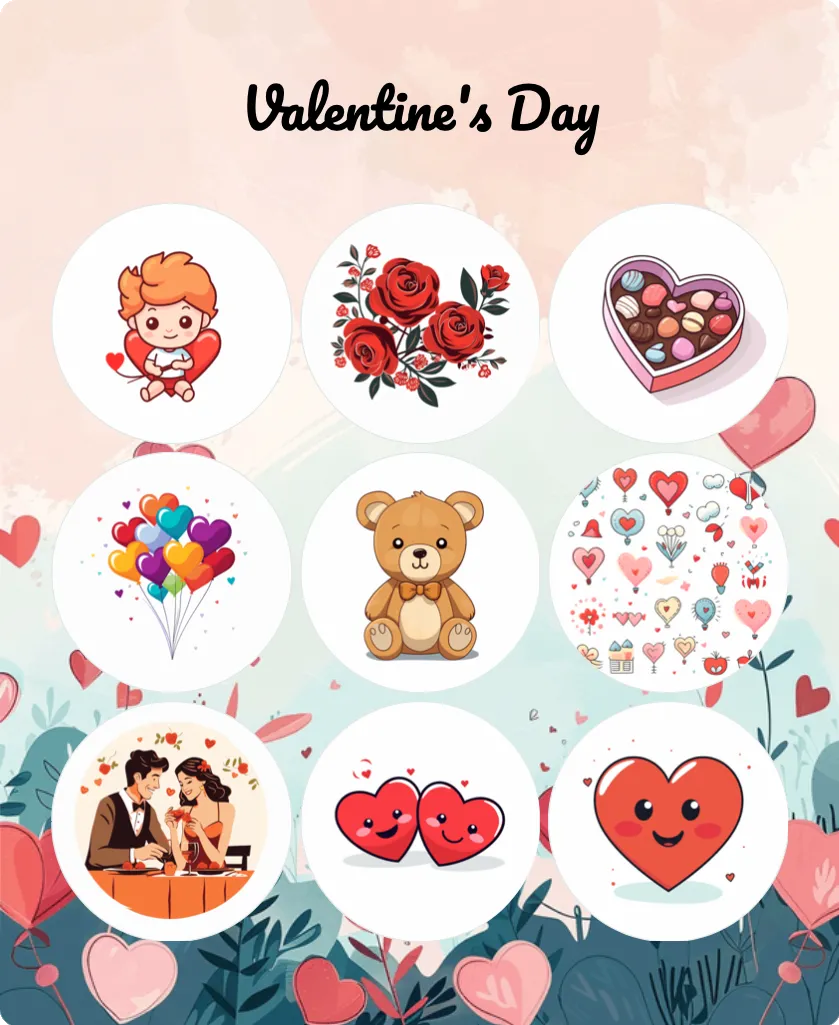
Valentine’s Day bingo
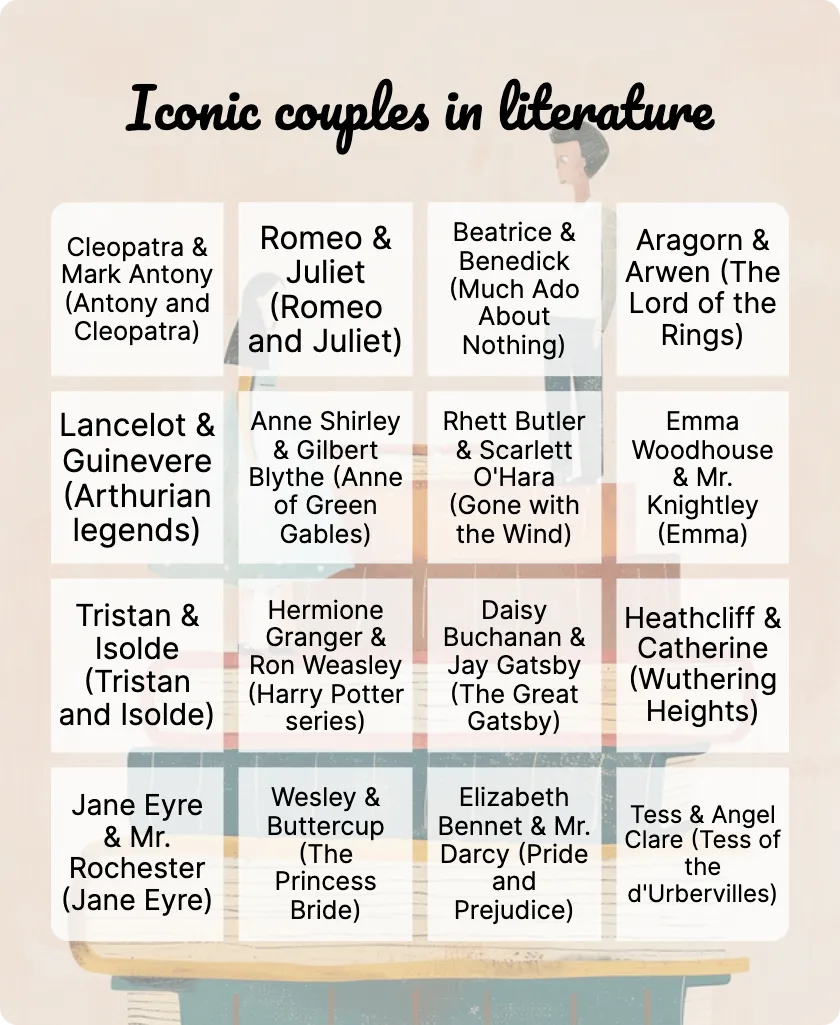
Iconic couples in literature bingo
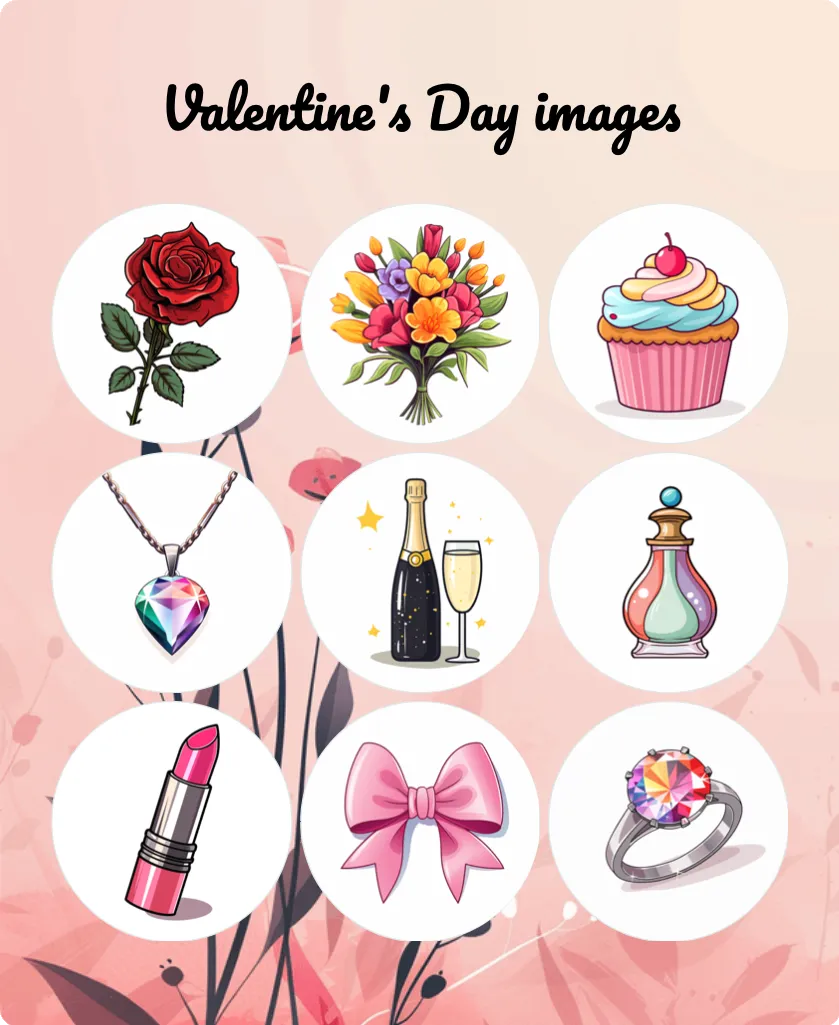
Valentine’s Day images bingo
How to plan a Valentine's bingo game
Valentine’s bingo can be a short called game, a picture-matching activity, or a way to notice themed items during a celebration. The best choice depends less on the date than on who is playing. Before printing, decide whether players will read words, identify pictures, or listen for candy names, then check that every square suits the group.
Choose a format players can use easily
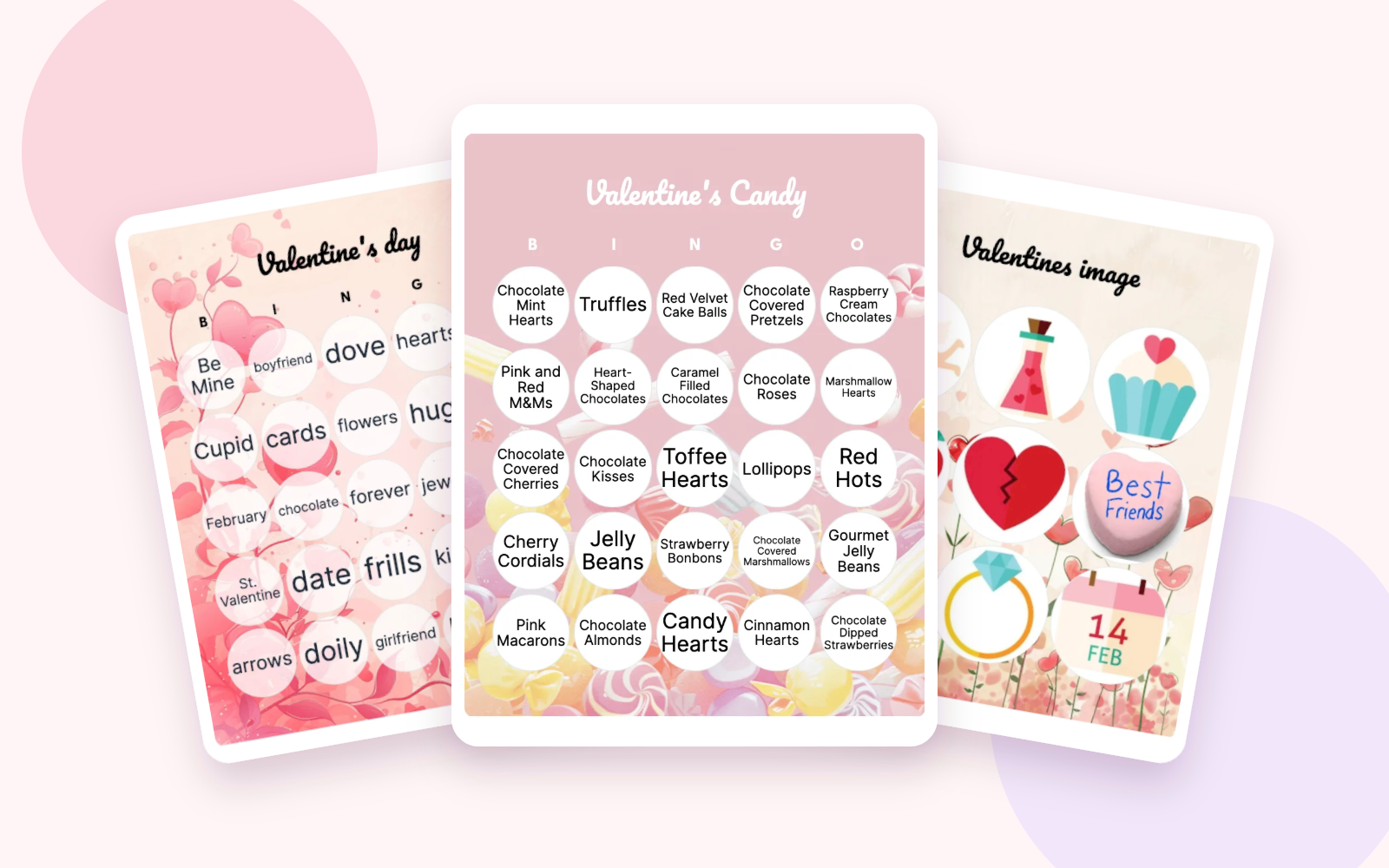
- Valentine’s day uses familiar words such as Be Mine, Cupid, and February.
- Valentine’s Candy uses named sweets and works best when the names are familiar to the group.
- Valentines image uses pictures, which can reduce reading demands but still needs a clear picture call list.
Word cards suit players who can scan the text comfortably. Picture cards can work well for younger players or mixed reading levels, but the caller should agree on a name for each image before play. A candy card does not require serving candy; it can be played by calling the printed names.
Review the card for your group
Read every square rather than judging the card by its title. For a classroom or family group, friendship, kindness, colors, and familiar objects may be a better fit than romantic prompts. Do not pair players, ask about crushes, or require personal disclosures unless that is clearly appropriate and voluntary.
If food appears on a card, decide whether it is only a picture or word. If you plan to use real sweets as markers or prizes, check allergies, dietary requirements, school rules, and choking risks first. Provide a non-food option so participating does not depend on eating or handling a particular product.

Prepare the calls and winning rule
- Choose the card and review each square.
- Make a call list that matches the words or images exactly.
- Decide whether players need one line, four corners, or another stated pattern.
- Choose markers that are easy to move and suitable for the players.
- Explain how a winning card will be checked against the call list.
For a picture card, keep a small reference copy for the caller. Describe one image at a time and use the same name during the check. If two pictures could reasonably share a name, settle the wording before the round begins.
Adjust the pace without changing the rules
Give players time to scan the whole card after each call. Younger players may benefit from seeing the caller’s reference picture as well as hearing its name. Mixed-age groups can play in pairs, with one person listening and the other finding the square.
A short one-line round is useful when the game sits within a larger party or lesson. If players want another round, switch the winning pattern rather than making the calls faster. Prepare cards with the printing guide, or use the online play guide when people are joining remotely.
Handle awkward or unclear squares
Let players skip any prompt that feels too personal. If a word, image, or candy is unfamiliar, explain it before play or replace it. When a winning line includes an unclear picture, compare it with the caller’s reference rather than asking the player to guess what was intended.
A careful review makes the theme flexible. The game can focus on friendship, classroom vocabulary, pictures, or party objects without forcing every group into the same version of Valentine’s Day.
Generate bingo cards,
your way
Unleash your creativity with our versatile generator that simplifies the creation of personalized cards featuring text, emojis, and images!
Create card
Frequently asked questions
Which Valentine's bingo format is best for younger players?
Do I need to use real candy for Valentine's Candy bingo?
How can I keep Valentine's bingo suitable for a classroom?
Can Valentine's bingo be played online?
You may also be interested in....
Not quite found the card you were looking for? Here are some similar categories that you may be interested in.